
What is glass fusing?
Glass fusing is a kiln-forming technique where compatible sheets and shards of glass are stacked, heated to around 1,400–1,500°F, and bonded into a single fused glass piece. Unlike stained glass — which is cut, foiled, and soldered cold — fused glass art is shaped by heat. The kiln does the joining.
The results are smooth, sculptural, and often translucent: bowls, plates, sun-catchers, jewelry pendants, coasters, and decorative panels. Many artists combine fusing with a second firing called slumping, where a flat fused panel is reheated over a mold to gently sag into a curved shape — that's how fused glass bowls and dishes are made.
Fused glass vs. stained glass
People searching for "glass art fusion" or "glass fusing classes" are often weighing two different crafts. Here's the short version:
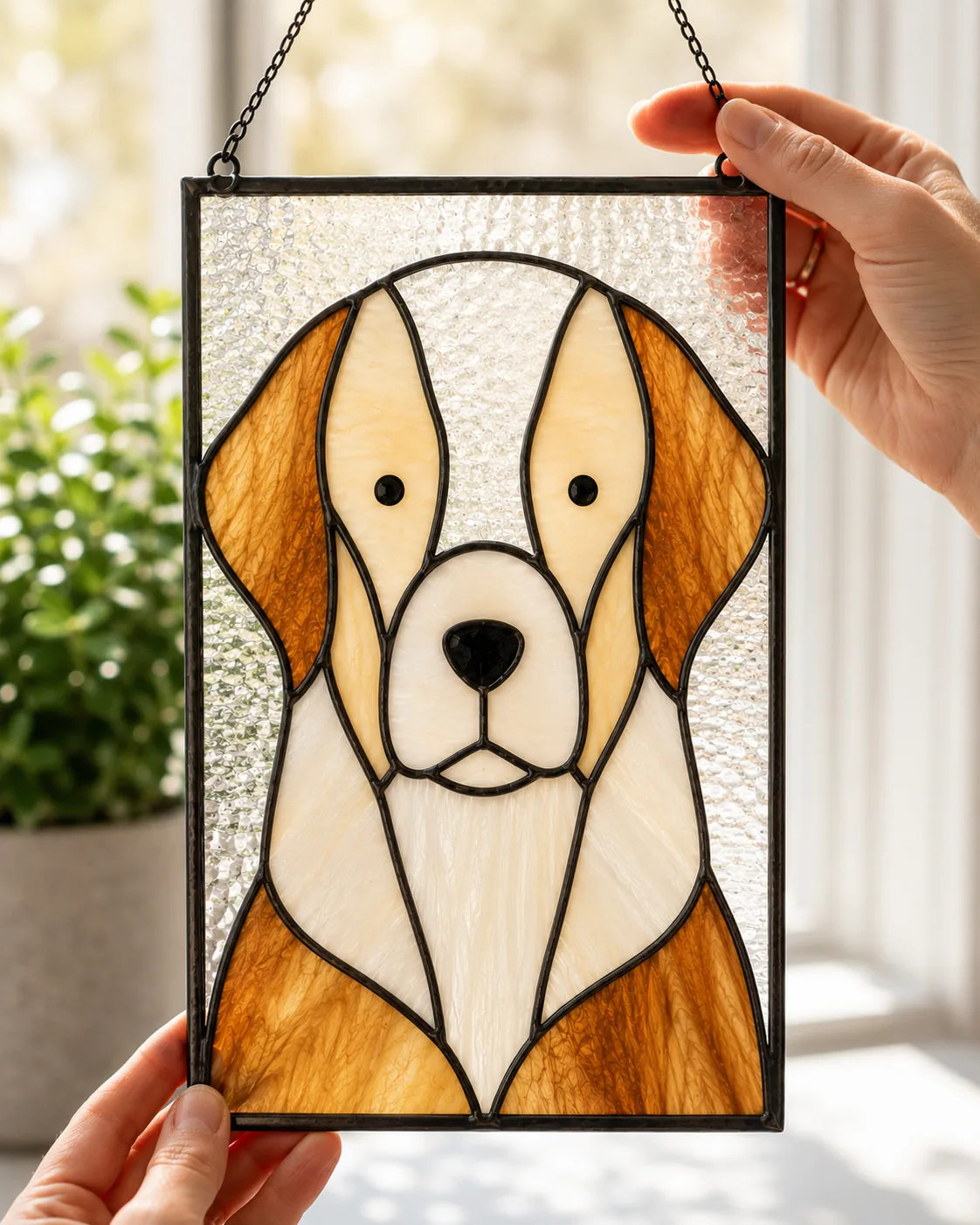
- Stained glass (copper foil / lead came): cut pieces of glass, wrap them in copper foil or lead, and solder them together. No kiln required. Best for windows, panels, suncatchers, and lamp shades.
- Fused glass (kiln-formed): layer compatible glass in a kiln and fire it. Requires a kiln and a fusing-compatible glass system (typically COE 90 or COE 96). Best for jewelry, bowls, plates, and sculptural pieces.
Neither is "better" — they're different mediums. Most beginners gravitate toward stained glass first because the tools are inexpensive, the learning curve is gentle, and you can finish a complete project in a single class.
What to expect in a beginner glass fusing class
A solid intro fusing class will usually cover:
- How fusing-compatible glass works (and why COE matters)
- Safe glass cutting and scoring with a hand-held cutter
- Designing a layered piece — base, design layer, accent
- Loading a kiln and reading a basic firing schedule
- Cold-working the finished piece — grinding sharp edges
- Optional second firing for slumping into a mold
Most beginner fusing classes run 3–4 hours, and you'll usually collect your finished piece a few days later once it has fired and fully annealed.
How to choose your first glass art class
If you're drawn to flat, jewel-toned panels and suncatchers — the classic colored-glass-with-dark-lines look — start with a copper foil stained glass class. If you're drawn to sculptural bowls, jewelry, and abstract layered pieces, start with a fusing class.
Either way, look for: small class sizes (6 students or fewer), all materials and tools included, and a finished take-home piece on day one.
Glass classes in Colorado
Scottish Stained Glass is based in Centennial, Colorado. We specialize in copper foil stained glass — not kiln-forming — so if your heart is set on fusing, look for a local studio with a fusing kiln. If you'd like to start with stained glass, our Foil 1 beginner class is the most popular entry point in the Denver metro area:
Best for first-timers
Copper Foil Level 1
Make your first stained glass piece in a single class. All tools and materials included.
Limited-run
Seasonal Workshops
Pet portraits, photo frames, Halloween panels, Christmas ornaments. Small classes, finished take-home pieces.
Frequently asked questions
Do I need any experience to take a glass class?
No. Reputable beginner classes — fused or stained — assume zero experience.
Is glass fusing safe?
Yes, when supervised. The risks are sharp glass edges and the hot kiln; instructors handle the firing.
Can I do fusing at home?
Eventually — but it requires a fusing kiln (small tabletop kilns start around $500), fusing-compatible glass, and ventilation. Take a class first.